
Support for Tissue Damage After Radiation Treatment
Hyperbaric oxygen therapy to support healing from radiation-related complications.
The Challenge After Radiation
Radiation therapy can be life-saving. But it can also leave lasting effects on healthy tissue.
Some people experience pain, tissue breakdown, bleeding, delayed healing, or other complications, sometimes months or even years after treatment ends. This can happen because radiation reduces blood flow and oxygen to the affected area.
How HBOT May Help
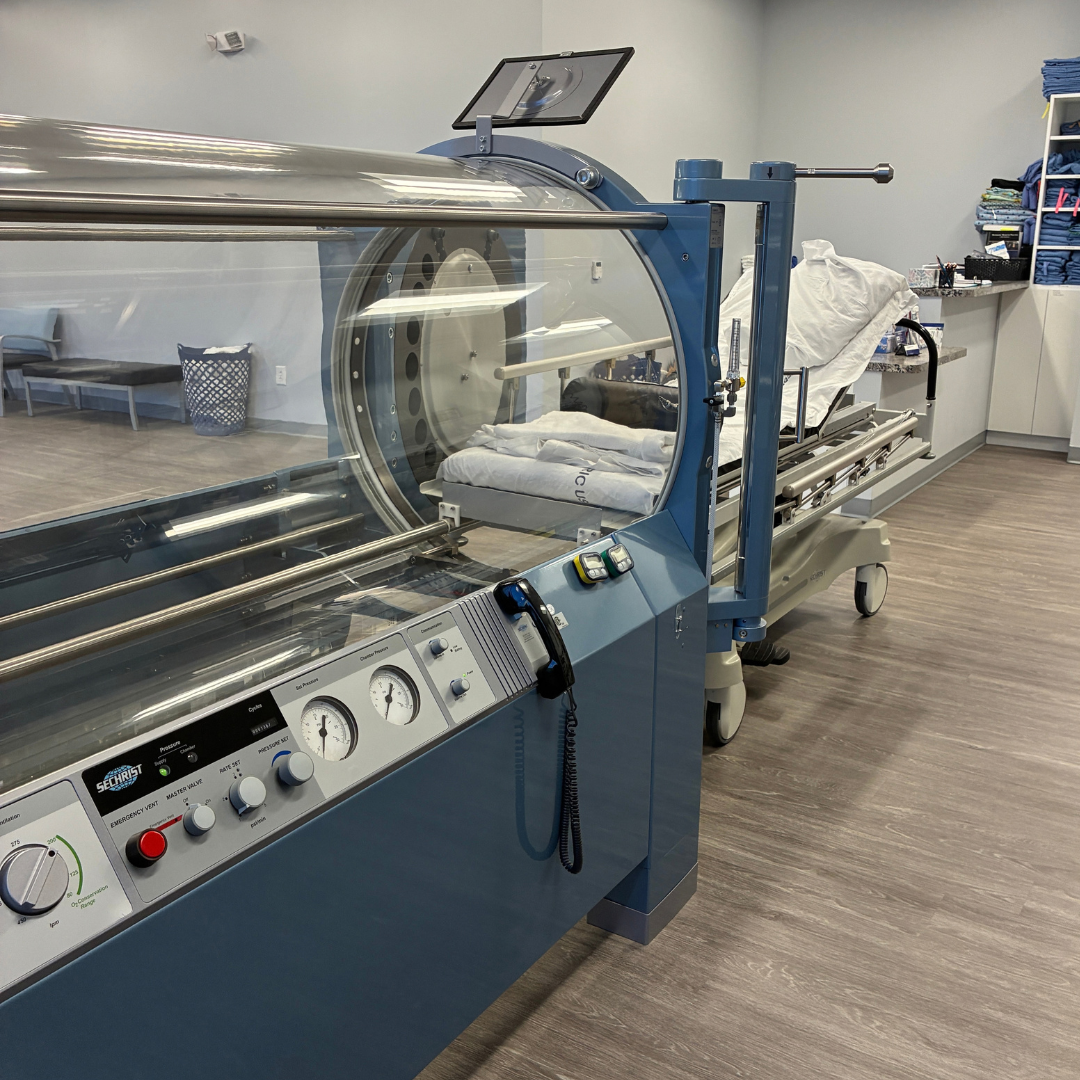
HBOT increases oxygen delivery to damaged tissue. For radiation injury, this may help:
Stimulate new blood vessel growth
Support tissue repair
Improve healing in previously treated areas
Radiation tissue injury is one of the FDA-recognized uses of HBOT.
Who This May Be For
HBOT may be considered if you have:
Radiation-related soft tissue damage, including radiation cystitis or proctitis
Bone damage after radiation (osteoradionecrosis), including in the jaw
Non-healing wounds in an area that received radiation
Planned surgery or dental work in a previously radiated area
Why Timing Matters
Radiation damage doesn't always appear right away. If symptoms show up later and aren't improving, early evaluation can help support better outcomes.
Straight Talk
HBOT is not a cure for every radiation-related problem. It is a supportive treatment that works best as part of a coordinated plan with your oncology and specialty providers. We'll be clear about whether it's appropriate for you. Learn what to expect.
Understand Your Options
If you're dealing with complications after radiation, let's talk through whether HBOT may help.